
Roomo Journal - Melbourne, 3 min read
The Quiet Psychology Of Sharehouses
The Quiet Psychology Of Sharehouses
May 20, 2026
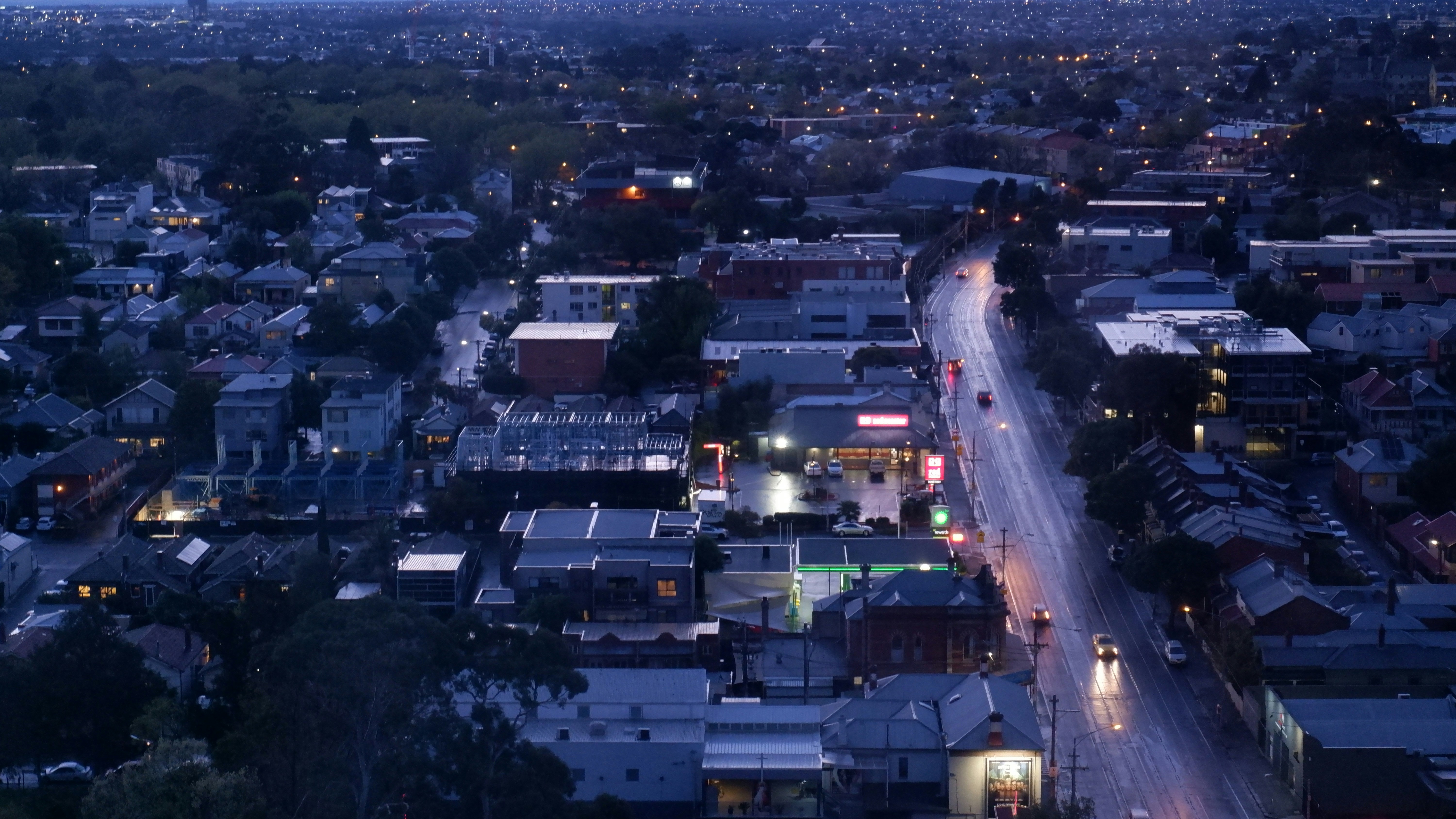
Picture: Jessie Ngo
Picture: Jessie Ngo
Almost everyone says the same thing when they’re looking for a housemate in Melbourne. “Just someone clean and easy-going.”
It sounds simple enough. Reasonable, even. But after enough inspections, awkward kitchen conversations and late-night scrolling through listings, it becomes obvious people are usually searching for something much harder to describe. Calmness. Predictability. A sense that life inside the house won’t quietly become emotionally complicated. Because somewhere along the way, house-sharing stopped being only about rent. It became about emotional survival too.
Most people don’t talk about this directly. Instead, it hides inside small phrases scattered throughout listings and group chats. “Looking for a respectful housemate.” “Good vibes only.” “Social but independent.” “Clean and considerate.” “No drama.” The wording changes, but the meaning underneath it is often the same. People are trying to reduce uncertainty. They’re trying to protect the atmosphere of the place they come home to every night.
And in a city like Melbourne, where housing feels increasingly temporary for a lot of people, that atmosphere matters more than ever. There’s something strangely revealing about a sharehouse inspection. Within a few minutes, complete strangers begin quietly assessing one another in ways that would seem absurd anywhere else. People notice shoes near the door. Tone of voice. How someone carries themselves. Whether they ask questions back. Whether they look people in the eye. Whether they seem emotionally steady. Whether they feel safe.
Someone offers a quick tour of the kitchen while silently wondering if they could realistically live beside this person for the next year.It’s a strange social ritual when you think about it. A temporary performance where everyone is attempting to appear relaxed while privately calculating compatibility at high speed. And most of it happens instinctively.
You can feel the tension in certain houses immediately. Not necessarily bad tension. Just emotional imbalance. Different rhythms colliding together. One person wanting silence while another wants constant social energy. One person treating the place like a home while another treats it like a temporary airport lounge.
The older people get, the more sensitive they seem to become to this invisible emotional architecture. In your early twenties, people often tolerate chaotic houses because instability still feels temporary. But after enough exhausting jobs, bad leases, breakups, moving boxes and unpredictable living situations, priorities quietly change.
People start craving peaceful homes.Not flashy homes. Not party houses. Not perfectly styled apartments from Pinterest. Just calm ones.A place where nobody slams doors at midnight. Where passive aggression doesn’t float through the kitchen. Where someone replacing the toilet paper isn’t considered a miracle worthy of public celebration. Where the emotional temperature of the house remains relatively steady week to week.That kind of stability has become surprisingly valuable.
Especially in Melbourne, where many people already feel stretched thin before they even walk through the front door. Long workdays, rising rent, crowded public transport, uncertain routines. By the time people get home, they’re often looking less for excitement and more for decompression.
Maybe that’s why the phrase “good vibes” appears in so many listings now. It’s vague enough to sound casual, but specific enough to mean everything.Because most people aren’t really searching for vibes. They’re searching for emotional safety. And emotional safety can be surprisingly difficult to measure online.
Photos can show polished kitchens and warm lighting, but they can’t show whether a house feels tense on a Sunday evening. They can’t show whether people actually speak to one another. They can’t show whether someone quietly dominates the emotional atmosphere of the house without realising it. That’s why so many inspections end with people standing outside afterwards trying to interpret a feeling they can barely explain.
“The room was nice but something felt off.”
Almost everyone who has shared houses long enough knows exactly what that sentence means. There’s also something oddly intimate about modern sharehousing that people rarely discuss properly. Complete strangers now end up witnessing deeply personal versions of each other’s lives with very little transition period in between. People see each other half-awake before work, coming home after bad days, dealing with breakups, job stress, financial pressure and quiet loneliness.
Yet at the same time, many sharehouses remain emotionally distant. Friendly, but detached. People moving in and out constantly. Connections forming halfway before someone relocates interstate or disappears into another lease across the city.
Melbourne itself almost seems built around this rhythm now. A city full of temporary chapters happening simultaneously behind apartment windows and terrace house curtains every night. People arriving. People resetting. People rebuilding. People quietly trying again.
And maybe that’s part of why finding the right housemate matters so much now. Not because people expect perfection, but because daily emotional environments shape lives more than most people realise. A calm house changes your sleep. Your mood. Your nervous system. Your routines. Even your sense of optimism.The opposite is true too. One difficult housemate can slowly make an otherwise beautiful apartment feel emotionally exhausting. It’s amazing how quickly tension can shrink a space.
Which is why the practical details people obsess over online often become secondary once they walk into a house that genuinely feels comfortable. A slightly smaller room suddenly matters less. A longer commute becomes negotiable. Even higher rent can start feeling worth it. Because atmosphere is difficult to price.
And increasingly, people are realising they’d rather sacrifice certain luxuries than come home every night feeling emotionally drained.
Maybe that’s the strangest part of modern renting. For all the algorithms, listings, apps and filters that now shape housing, most people still end up making decisions based on instinct. Not perfect logic. Not spreadsheets. Not convenience alone. Just a feeling. A quiet internal calculation asking: Can I exhale here? and maybe that’s why the best sharehouses are usually described in surprisingly similar ways. Not impressive. Not luxurious. Not exciting. Just calm.
Cheers, Glen.
Almost everyone says the same thing when they’re looking for a housemate in Melbourne. “Just someone clean and easy-going.”
It sounds simple enough. Reasonable, even. But after enough inspections, awkward kitchen conversations and late-night scrolling through listings, it becomes obvious people are usually searching for something much harder to describe. Calmness. Predictability. A sense that life inside the house won’t quietly become emotionally complicated. Because somewhere along the way, house-sharing stopped being only about rent. It became about emotional survival too.
Most people don’t talk about this directly. Instead, it hides inside small phrases scattered throughout listings and group chats. “Looking for a respectful housemate.” “Good vibes only.” “Social but independent.” “Clean and considerate.” “No drama.” The wording changes, but the meaning underneath it is often the same. People are trying to reduce uncertainty. They’re trying to protect the atmosphere of the place they come home to every night.
And in a city like Melbourne, where housing feels increasingly temporary for a lot of people, that atmosphere matters more than ever. There’s something strangely revealing about a sharehouse inspection. Within a few minutes, complete strangers begin quietly assessing one another in ways that would seem absurd anywhere else. People notice shoes near the door. Tone of voice. How someone carries themselves. Whether they ask questions back. Whether they look people in the eye. Whether they seem emotionally steady. Whether they feel safe.
Someone offers a quick tour of the kitchen while silently wondering if they could realistically live beside this person for the next year.It’s a strange social ritual when you think about it. A temporary performance where everyone is attempting to appear relaxed while privately calculating compatibility at high speed. And most of it happens instinctively.
You can feel the tension in certain houses immediately. Not necessarily bad tension. Just emotional imbalance. Different rhythms colliding together. One person wanting silence while another wants constant social energy. One person treating the place like a home while another treats it like a temporary airport lounge.
The older people get, the more sensitive they seem to become to this invisible emotional architecture. In your early twenties, people often tolerate chaotic houses because instability still feels temporary. But after enough exhausting jobs, bad leases, breakups, moving boxes and unpredictable living situations, priorities quietly change.
People start craving peaceful homes.Not flashy homes. Not party houses. Not perfectly styled apartments from Pinterest. Just calm ones.A place where nobody slams doors at midnight. Where passive aggression doesn’t float through the kitchen. Where someone replacing the toilet paper isn’t considered a miracle worthy of public celebration. Where the emotional temperature of the house remains relatively steady week to week.That kind of stability has become surprisingly valuable.
Especially in Melbourne, where many people already feel stretched thin before they even walk through the front door. Long workdays, rising rent, crowded public transport, uncertain routines. By the time people get home, they’re often looking less for excitement and more for decompression.
Maybe that’s why the phrase “good vibes” appears in so many listings now. It’s vague enough to sound casual, but specific enough to mean everything.Because most people aren’t really searching for vibes. They’re searching for emotional safety. And emotional safety can be surprisingly difficult to measure online.
Photos can show polished kitchens and warm lighting, but they can’t show whether a house feels tense on a Sunday evening. They can’t show whether people actually speak to one another. They can’t show whether someone quietly dominates the emotional atmosphere of the house without realising it. That’s why so many inspections end with people standing outside afterwards trying to interpret a feeling they can barely explain.
“The room was nice but something
felt off.”
Almost everyone who has shared houses long enough knows exactly what that sentence means. There’s also something oddly intimate about modern sharehousing that people rarely discuss properly. Complete strangers now end up witnessing deeply personal versions of each other’s lives with very little transition period in between. People see each other half-awake before work, coming home after bad days, dealing with breakups, job stress, financial pressure and quiet loneliness.
Yet at the same time, many sharehouses remain emotionally distant. Friendly, but detached. People moving in and out constantly. Connections forming halfway before someone relocates interstate or disappears into another lease across the city.
Melbourne itself almost seems built around this rhythm now. A city full of temporary chapters happening simultaneously behind apartment windows and terrace house curtains every night. People arriving. People resetting. People rebuilding. People quietly trying again.
And maybe that’s part of why finding the right housemate matters so much now. Not because people expect perfection, but because daily emotional environments shape lives more than most people realise. A calm house changes your sleep. Your mood. Your nervous system. Your routines. Even your sense of optimism.The opposite is true too. One difficult housemate can slowly make an otherwise beautiful apartment feel emotionally exhausting. It’s amazing how quickly tension can shrink a space.
Which is why the practical details people obsess over online often become secondary once they walk into a house that genuinely feels comfortable. A slightly smaller room suddenly matters less. A longer commute becomes negotiable. Even higher rent can start feeling worth it. Because atmosphere is difficult to price.
And increasingly, people are realising they’d rather sacrifice certain luxuries than come home every night feeling emotionally drained.
Maybe that’s the strangest part of modern renting. For all the algorithms, listings, apps and filters that now shape housing, most people still end up making decisions based on instinct. Not perfect logic. Not spreadsheets. Not convenience alone. Just a feeling. A quiet internal calculation asking: Can I exhale here? and maybe that’s why the best sharehouses are usually described in surprisingly similar ways. Not impressive. Not luxurious. Not exciting. Just calm.
Cheers, Glen.
Today’s roommates want more than a bed, they want compatibility, trust, and transparency.
Today’s roommates want more than a bed, they want compatibility, trust, and transparency.
Today’s roommates want more than a bed, they want compatibility, trust, and transparency.